

 07971459927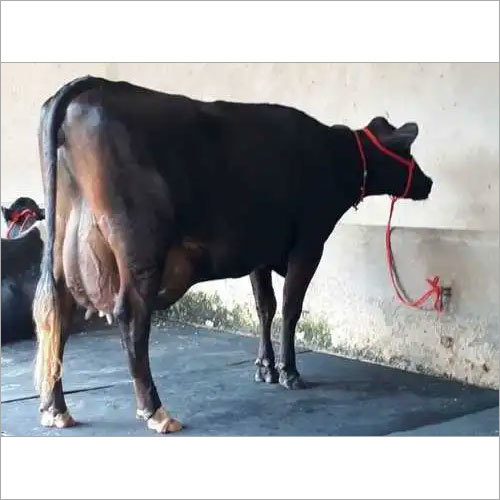
Cross Breed cow
85000.0 INR/Piece
Product Details:
- Product Type Live Animal
- Commercial Uses Dairy Production, Milk Yield
- Weight 400-600 kg
- Color Black and White
- Age 2-5 Years
- Breed Cross Breed
- Gender Female
- Click to View more
X
Cross Breed cow Price And Quantity
- 1 Piece
- 85000.0 INR/Piece
Cross Breed cow Product Specifications
- Live Animal
- Cross Breed
- 2-5 Years
- Black and White
- Dairy Production, Milk Yield
- 400-600 kg
- Female
- Vaccinated and Healthy
- Muscular, Well-Built
- Green Fodder & Dry Fodder
- Dehorned or Small Horns
- 280-305 Days
- Docile and Easy to Manage
- Adaptable to Various Indian Climates
- Regular Calving
- 15-20 liters per day
Cross Breed cow Trade Information
- Letter of Credit (L/C), Cash in Advance (CID), Cheque, Cash Advance (CA)
- 50 Piece Per Day
- 1 Days
- Yes
- Sample costs shipping and taxes has to be paid by the buyer
- All India
Product Description
Offered Cross breed Cows have hybrid vigor as well as combined strengths of the assorted other breeds. For the optimization of these advantages, the cows of these breeds are demanded all over the world. The cows have optimum levels of performance and make amendments in the yield grade. These are effectively optimized by crossing two and more breeds. The major benefit of the cattle is heterosis that is highly important for lowly heritable traits and improves fertility and survival rate. Cross breed Cows are highly significant for massive milk production. The cattle are also not prone to tropical diseases.
Key Points:
- Resistant to many types of diseases.
- Provide quality milk in high quantity.
- Can be well managed by humans.
- Have good temperament and affability.
Exceptional Milk Yield
Our cross breed cows deliver an impressive daily milk yield of 15 to 20 liters, making them an excellent investment for dairy farms focused on high productivity. Their reliable lactation cycle supports consistent supply throughout the year, meeting the demands of commercial milk production.
Adaptability and Ease of Management
With a docile temperament and ability to thrive in various Indian climates, these cows simplify farm operations. Their muscular, well-built bodies and dehorned status ensure both handler safety and animal well-being, making management smoother for farmers and traders.
Health and Feeding Benefits
Each cow is vaccinated and maintained in peak health, consuming a balanced diet of green and dry fodder. This nutrition approach enhances milk quality and contributes to consistent weight and productive capacity, ensuring long-term returns for distributors and suppliers.
FAQs of Cross Breed cow:
Q: How can I optimize the milk production from Cross Breed cows?
A: To achieve optimal milk yield of 1520 liters per day, provide a balanced diet of green and dry fodder, maintain regular health check-ups, and ensure proper shelter that suits Indian climate conditions. Regular management and monitoring help support high productivity throughout the lactation period.Q: What makes these cross breed cows suitable for commercial dairy operations in India?
A: Their adaptability to various Indian climates, docile temperament, robust health, and regular calving make them perfect for commercial dairy use. Distributors and suppliers benefit from their consistent milk yield and manageable nature, ensuring reliable returns and easier operation.Q: When does the lactation period start and how long does it last for these cows?
A: The lactation period typically begins shortly after calving and lasts between 280 to 305 days. During this time, proper care, nutrition, and management can ensure steady milk production within the stated range.Q: Where are these Cross Breed cows most commonly distributed or supplied?
A: These cows are distributed, supplied, and traded across multiple regions in India due to their climate adaptability. They perform well in different environments, making them a preferred choice for farmers and commercial dairy operators nationwide.Q: What is the process for maintaining the health and productivity of these cows?
A: Regular veterinary check-ups, timely vaccinations, a balanced feeding regimen with green and dry fodder, and clean housing are essential. Proper management minimizes health risks and maintains steady milk yield and reproductive performance.Q: How does the temperament and body structure of these cows benefit dairy farmers?
A: Their docile temperament and muscular, well-built bodies make them easy to handle and feed. These traits ensure safer working conditions and reduce stress for both animals and handlers, contributing to consistent daily productivity.Tell us about your requirement

Price:
Quantity
Select Unit
- 50
- 100
- 200
- 250
- 500
- 1000+
Additional detail
Mobile number
Email

Other Products in 'Cattle Breed' category



We are mainly dealing in Bulk Orders of the clients.
HARSHIT GUPTA DAIRY FARM
Contact Detalis

- Plot No 4, Pingli Dairy Complex Phase 1,Karnal - 132001, Haryana, India
- Phone :07971459927
- 9034161327

- Mr Harshit (Proprietor)
- Mobile :07971459927
-
 Send Inquiry
 Send Inquiry
|



 |
GUPTA DAIRY FARM
All Rights Reserved.(Terms of Use) Developed and Managed by Infocom Network Private Limited. |
